
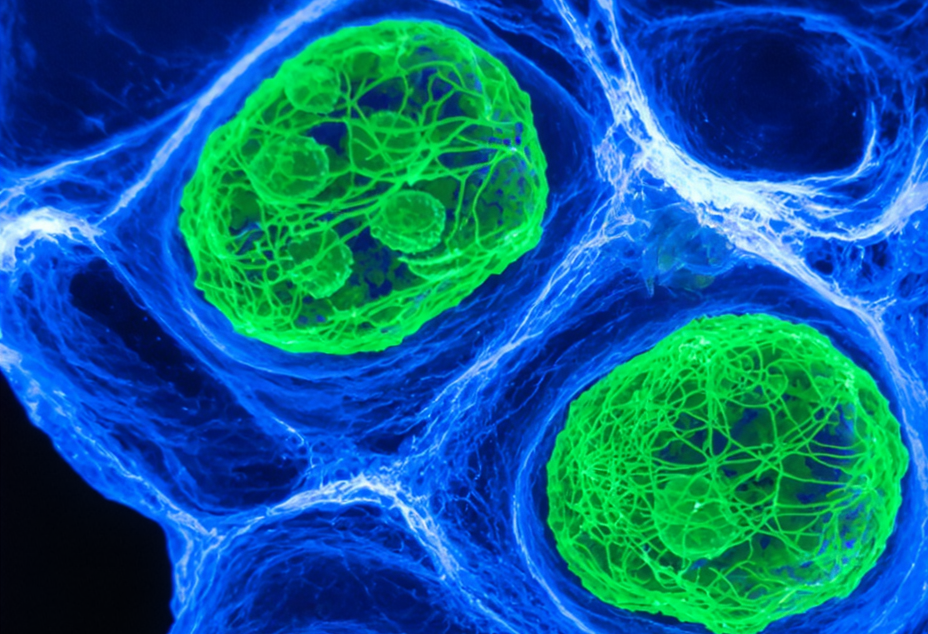
Parsing Cartilage Destruction Mechanisms: Application of SW 1353 in Inflammatory Response Research
Introduction:
The pathological core of osteoarthritis (OA) lies in the progressive degradation of the cartilage matrix, a process primarily mediated by matrix metalloproteinases (MMPs). Establishing reliable in vitro models is critical to elucidating this complex molecular mechanism and screening potential chondroprotective drugs. While primary chondrocytes are considered the "gold standard," they are limited by scarce donor sources, difficult expansion, and a tendency toward rapid dedifferentiation in vitro. The SW 1353 cell line, a chondrosarcoma line derived from the humerus, has become the premier alternative tool for studying cartilage catabolism due to its stable growth kinetics and retention of partial chondroblastic phenotypes. This article will delve into experimental strategies for constructing standardized inflammatory response models using SW 1353 and its engineered derivative, the SW 1353-luc cell, to parse the molecular cascade of cartilage destruction.
The SW 1353 cell line efficiently responds to inflammatory cytokines, making it an ideal model for parsing MMP regulation mechanisms. View more>>
Model Principle: Simulating the Inflammatory Microenvironment
The most significant scientific value of the SW 1353 cell line lies in its sensitive response to pro-inflammatory cytokines. Within the osteoarthritis microenvironment, Interleukin-1β (IL-1β) and Tumor Necrosis Factor-α (TNF-α) are critical mediators driving cartilage destruction.
Experimental data indicates that treating SW 1353 cells with recombinant human IL-1β (typically 1-10 ng/mL) significantly activates NF-κB and MAPK signaling pathways. This activation simulates the stressed state of chondrocytes in diseased joints, subsequently inducing the transcriptional expression of a series of catabolic enzymes. Compared to the donor heterogeneity inherent in primary cells, SW 1353 provides a testing platform with a uniform genetic background, enabling researchers to precisely parse the specific roles of pathways like p38 or JNK in inflammation transduction.
Key Indicators: MMP Expression and Matrix Degradation
In the SW 1353 model, the core indicators for evaluating cartilage destruction are the expression levels of Matrix Metalloproteinases (MMPs), particularly MMP-1 (interstitial collagenase) and MMP-13 (collagenase-3).
MMP-13 is the key enzyme responsible for degrading Type II collagen, the major component of the cartilage matrix. In unstimulated SW 1353 cells, MMP-13 is typically expressed at low levels; however, following induction by inflammatory factors, its mRNA and protein levels can rise logarithmically. Researchers typically employ qPCR to quantitatively analyze gene transcription or use Western Blot and ELISA to detect MMP secretion in culture supernatants. Furthermore, functional experiments using SW 1353 to detect the degradation of fluorescently labeled gelatin or collagen substrates can visually reflect the inhibitory effects of drugs on MMP enzymatic activity.
Technical Upgrade: High-Throughput Application of SW 1353-luc
As drug screening throughput increases, reliance solely on biochemical assays struggles to meet demand. The introduction of the SW 1353-luc cell (luciferase-labeled strain) offers multidimensional solutions to this field.
SW 1353-luc is an engineered cell line stably expressing Firefly Luciferase via lentiviral transduction. In mechanism research and drug screening, its application is primarily manifested in two aspects:
Viability Normalization: When evaluating MMP inhibitors, cytotoxicity of the compound itself must be ruled out. The bioluminescent intensity of SW 1353-luc correlates strictly linearly with the number of viable cells, allowing for rapid determination of cell viability within the same well. This normalizes MMP secretion data, avoiding false-positive results.
In Vivo Tracing: In tissue engineering research, seeding SW 1353-luc onto scaffolds and implanting them subcutaneously or into joint cavities of mice allows for longitudinal monitoring of cell survival and colonization using IVIS imaging systems. This non-invasive monitoring is valuable for evaluating the biocompatibility of novel biomaterials with chondrocyte-like cells.
In high-throughput drug screening, utilize the linear luminescent signal of SW 1353-luc cell to rapidly normalize cell viability, ensuring precise and reliable matrix degradation data. Learn more>>
Limitation Analysis: Phenotypic Differences from Primary Cells
Although SW 1353 is a robust research tool, researchers must recognize its limitations as a tumor-derived cell line.
Transcriptomic analysis reveals that the basal expression of Type II collagen (COL2A1) and Aggrecan in SW 1353 is lower than that in healthy primary chondrocytes. This implies it is better suited for simulating the process of "inflammation-induced matrix degradation" rather than "cartilage matrix synthesis." Therefore, for anti-inflammatory or chondroprotective drugs screened using SW 1353, it is recommended to validate findings in later stages using primary chondrocytes or cartilage explants to ensure the clinical translational potential of the data.
References
[1]Gebauer, M., et al. (2005). SW1353 chondrosarcoma cells as a model system of human chondrocytes for the evaluation of anti-inflammatory substances. International Immunopharmacology, 5(3), 501-512.
[2]Vincenti, M. P., & Brinckerhoff, C. E. (2002). Transcriptional regulation of collagenase (MMP-1, MMP-13) genes in arthritis: integration of complex signaling pathways for the recruitment of gene-specific transcription factors. Arthritis Research, 4(3), 157-164.
[3]Liaw, C. W., et al. (2013). SW1353 cells are not an appropriate model for detecting anabolic effects of PTH (1-34) on human chondrocytes. Journal of Orthopaedic Research, 31(11), 1779-1784.
