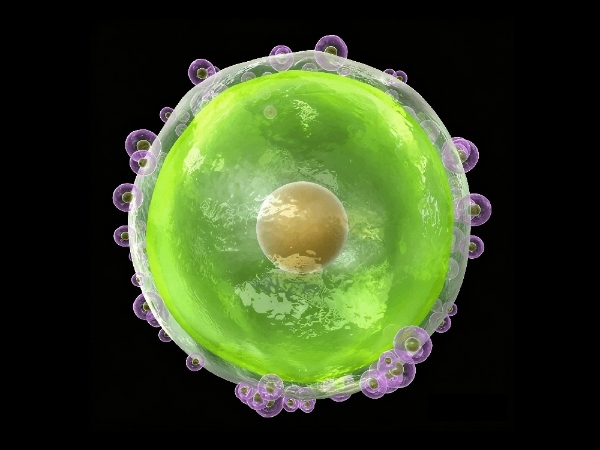
MC38-OVA-Luc Dual-Labeled Mouse Colorectal Cancer Cells
Ovalbumin (OVA) is a model antigen with defined epitopes and immunogenicity, used as a tool in immunological and tumor immunology research. As a T-cell-dependent antigen, OVA triggers specific adaptive immune responses, serving as a surrogate for tumor-specific antigens (TSAs) in engineered tumor cell models. The core applications of OVA in biomedical research include:
Immunogenicity and immune mechanism studies: OVA-stably expressing cells are recognized as "non-self" by the host immune system, enabling investigation of T-cell activation, proliferation and effector function, as well as antigen presentation processes of dendritic cells (DCs) and other antigen-presenting cells (APCs).
Tumor immune model construction: Labeling CRC cells with OVA mimics endogenous TSA expression in colorectal tumors, creating a model to study immune cell infiltration, T-cell exhaustion and the formation of the "cold/hot" tumor microenvironment in CRC.
Novel immunotherapy evaluation: Combined with OVA-specific TCR transgenic T cells (OT-I/OT-II), the MC38-OVA model assesses immune cell recognition, killing efficiency and the efficacy of immunotherapeutic strategies such as immune checkpoint blockade, CAR-T cell therapy and cancer vaccines.
Anti-tumor drug screening: This model tests in vitro and in vivo efficacy of novel anti-CRC agents, especially immunomodulatory drugs, accelerating translational research of preclinical candidates to clinical trials.
The MC38-OVA-Luc dual-labeled cell line integrates OVA antigen labeling and luciferase (Luc) bioluminescent imaging, enabling simultaneous monitoring of tumor progression and immune response evaluation. This engineered cell model reduces experimental complexity, improves accuracy and comprehensiveness of research data, and supports colorectal cancer immunology research.
View MC38-OVA-Luc>>
Basic Cell Information
|
Item
|
Details
|
|
Cell Name
|
Mouse Colorectal Cancer Cells (OVA-LUC Dual-Labeled) MC38-OVA-LUC
|
|
Tissue Origin
|
Colon Carcinoma
|
|
Morphology
|
Epithelial-like, adherent growth
|
|
Culture & Passage
|
RPMI-1640+10% FBS+1%P/S (optional); 37 ℃, 5% CO₂; Passage ratio: 1:2 to 1:4; Change media every 2-3 days.
|
Validation

Western Blot
|
Samples
|
Test 1
|
Test 2
|
Test 3
|
AVE.
|
Folds
|
|
MC38-OVA-Luc
|
3820000
|
3840000
|
3760000
|
3806666
|
143648
|
|
MC38-WT
|
26.6
|
23.4
|
29.3
|
26.5
|
Lumi Signal Tests
Product Introduction
The MC38 cell line is a murine colorectal adenocarcinoma cell line induced from C57BL/6 mice, with epithelial-like morphology and stable adherent growth. As a syngeneic tumor model, it matches the genetic background of C57BL/6 mice (a common inbred strain for immunology research) and recapitulates the in vivo tumor microenvironment, immune escape and metastatic processes of human colorectal cancer. Its tumorigenicity and metastatic potential make it a common preclinical model for CRC research, especially for studies on immunotherapy and tumor-immune interactions. Based on the parental MC38 cell line, three engineered cell lines have been developed to meet different research needs, namely MC38-Luciferase, MC38-OVA and MC38-OVA-Luc.
The MC38-OVA-Luc cell line is constructed by lentiviral transduction, integrating OVA and firefly luciferase genes into the parental MC38 cell line to achieve stable expression of both target proteins. OVA antigen labeling gives the cell line specific immunogenicity, making it a model for studying CRC-specific anti-tumor immune responses—specifically the activation, infiltration and cytotoxicity of CD8⁺ cytotoxic T lymphocytes (CTLs, e.g., OT-I T cells) in the colorectal tumor microenvironment. This model helps study immune cell infiltration in CRC "cold tumors" and develop strategies to convert cold tumors to hot tumors.
Stable expression of firefly luciferase enables real-time, non-invasive in vivo bioluminescent imaging of tumor growth, local invasion and distant metastasis in orthotopic, subcutaneous or metastatic CRC models via the D-Luciferin substrate. Combining OVA immunogenicity and luciferase imaging, the MC38-OVA-Luc dual-labeled model allows simultaneous tracking of tumor burden dynamics and evaluation of antigen-specific anti-tumor immune efficacy in the same animal. This labeling method eliminates the need for separate experimental groups for tumor monitoring and immune assessment, reduces individual differences among experimental animals, and improves comprehensiveness, reliability and efficiency of research data.
The MC38-OVA-Luc cell line undergoes strict quality control, including RT-qPCR and Western blot verification of OVA expression, luciferase signal activity detection, mycoplasma and microbial contamination testing, and cell viability validation. The polyclonal engineered cell line maintains biological characteristics of the parental MC38 cell line while stably expressing OVA and luciferase for multiple passages, ensuring repeatability and consistency of experimental results.
Related Cell Lines for Research
MC38-Luciferase cell line (Luc-only labeled): Constructed by lentiviral transduction of the parental MC38 cell line, with validated luciferase activity. It is used for real-time in vivo tracking of tumor progression and metastasis, suitable for tumor pharmacodynamics and metastasis research. View MC38-Luciferase>>
MC38-OVA cell line (OVA-only labeled): Constructed by lentiviral transduction of the parental MC38 cell line, with stable OVA expression. It is used for tumor immunology research, enabling study of OVA-specific anti-tumor immune responses and immune cell-tumor cell interactions in CRC. View MC38-OVA>>
MC38-OVA-Luc cell line (OVA-Luc dual-labeled): Derived from the parental MC38 cell line, integrating OVA and luciferase gene expression via lentiviral transduction. It combines the immunogenicity of OVA and imaging function of luciferase, suitable for simultaneous monitoring of tumor progression and evaluation of antigen-specific immunotherapy efficacy. View MC38-OVA-Luc>>
Receiving and Storage Instructions
Upon arrival, check all containers for leakage or breakage, confirm the package has intact dry ice, correct product labeling and no damage to the cryovial; verify the cell line name and batch number match the order.
Remove the frozen cells from the dry ice packaging and immediately place the cells at a temperature below -130°C, preferably in liquid nitrogen vapor, until ready for use. Do not store at -80°C; storage at -80°C may result in loss of cell viability.
Initial Handling Procedure
Pipette 6-7 mL of complete medium into a 15 mL centrifuge tube.
Gently agitate the vial in a 37°C water bath to thaw. Keep the O-ring and cap out of the water. Thawing should be rapid (approximately 1-2 minutes).
Remove the vial from the water bath as soon as the contents are thawed, and decontaminate by spraying with 70% ethanol or wiping with an alcohol cotton pellet. All subsequent operations should be carried out in the biosafety hood under strict aseptic conditions.
Transfer the vial contents to the 15 mL centrifuge tube containing 6-7 mL complete culture medium (prepared in step 1), mix gently, and centrifuge at 200xg for 4 minutes at room temperature to collect the cells.
Discard the supernatant, resuspend the cell pellet with 1 mL of recommended complete medium, and dispense into a T25 flask (or 6 cm culture dish) containing 4 mL of complete medium. Special Note: Do not thaw the cells directly to a T75 flask or 10 cm culture dish.
Note: Prior to adding the cell suspension, place the culture vessel containing complete growth medium into the incubator for at least 15 minutes to allow the medium to reach its normal pH (7.0 to 7.6).
Incubate the culture at 37°C in a suitable incubator with a 5% CO₂ in air atmosphere.
Special Screening Requirement: Use 4μg/mL Puromycin and 200 μg/mL Hygromycin to screen cells after every 8-10 passages, or use 2μg/mL Puromycin and 100 μg/mL Hygromycin during daily maintenance.
Precautions
Please operate in a sterile environment to avoid contamination.
To protect cell stability, avoid excessive passage numbers.
Confirm that the cells are in good condition before experiments to ensure reliable results.
Strictly adhere to biosafety operational procedures.
This product is for research use only and not for clinical diagnosis or treatment.