
P388D1 Cell Line: From Macrophage-like Characteristics to Dual-Reporter Models
Introduction:
In immunology and hematologic malignancy research, finding an experimental model that combines indefinite tumor proliferation with functional immune characteristics is critical. The P388D1 cell line, a classic murine monocyte-macrophage model, has long been employed for fundamental studies on antigen presentation, phagocytosis, and inflammatory responses. However, with the advancement of precision medicine, traditional cell lines struggle to meet the demand for visualizing in vivo tumor dissemination and microenvironmental interactions. Consequently, genetically engineered P388D1-luc cell lines (bioluminescence) and P388D1-luc-gfp cell lines (dual-labeled) have emerged. This article will systematically expound on the basic biological features of the parental strain and analyze how these derivatives enhance data dimension and precision through optical imaging technologies.
Origin: Dual Characteristics of Lymphoma and Macrophages
The P388D1 cell line is an ascitic derivative of a methylcholanthrene-induced lymphoid neoplasm (P388) in DBA/2 mice. Despite its lymphoid origin, P388D1 exhibits distinct monocyte/macrophage differentiation markers.
This cell line constitutes a unique "tumor-immune" binary model. On one hand, it retains the DBA/2 genetic background (H-2d haplotype), expresses Fc and complement receptors, possesses the capacity to phagocytose latex beads or erythrocytes, and secretes inflammatory cytokines like Interleukin-1 (IL-1) upon LPS stimulation. On the other hand, as an immortalized cell line, it overcomes the limitation of primary macrophages which are difficult to expand in vitro, providing a stable source for standardized high-throughput screening.
The classic murine monocyte-macrophage model, combining indefinite tumor proliferation with active phagocytic capabilities. Order now>>
Morphology and Culture Kinetics
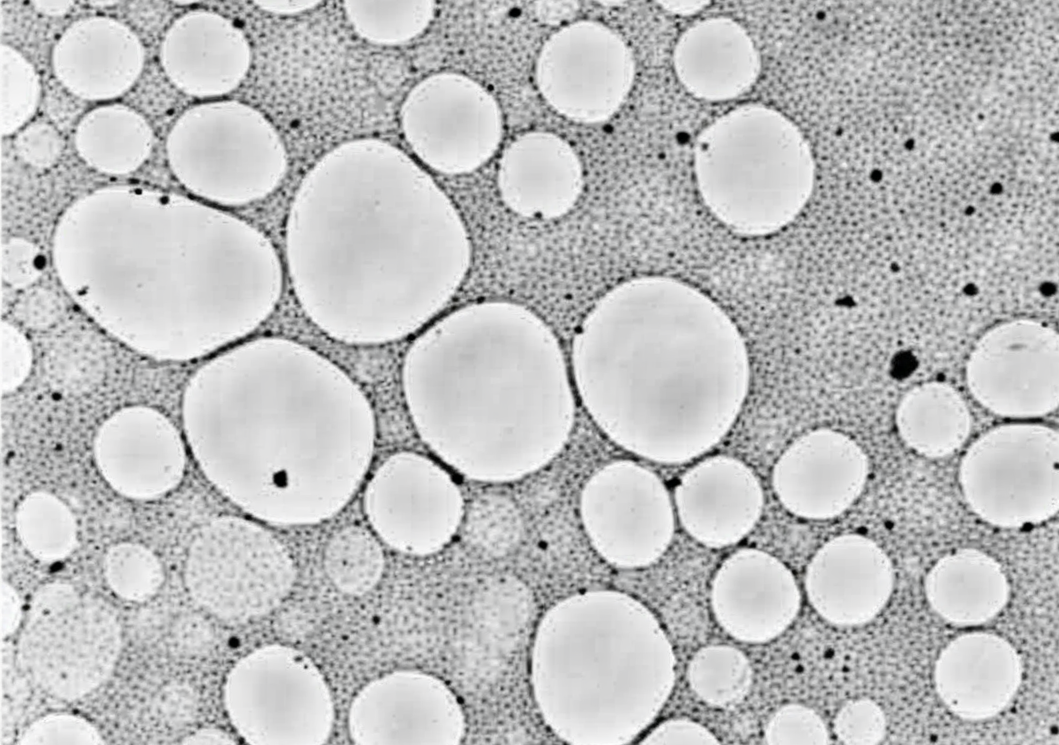
Under in vitro culture conditions, P388D1 exhibits a typical mixed growth state of suspension and loose adherence. Observed under an inverted microscope, the cellular morphology is variable, predominantly appearing round or as irregular polygons. When cells adhere, the cell membrane extends obvious pseudopodia, directly reflecting their active motility and phagocytic potential.
Compared to strictly adherent cells, P388D1 is relatively sensitive to mechanical manipulation. During passaging, it is generally recommended to use a cell scraper or gentle pipetting, avoiding prolonged digestion with high-concentration trypsin to prevent damage to membrane surface receptors. This growth characteristic simulates the physiological transition of monocytes between blood circulation (suspension) and tissue infiltration (adherence).
Functional Upgrades: Engineering Principles of Derivatives
To break through the limitations of in vitro experiments, researchers have developed functionally enhanced derivatives:
P388D1-luc cell line: The Firefly Luciferase gene is stably integrated into the genome via lentiviral vectors. In the presence of the substrate D-Luciferin, this enzyme catalyzes an oxidation reaction producing bioluminescent signals at approximately 560 nm. Its core advantage is that signal intensity correlates linearly with viable cell number, serving as the "gold standard" for quantitative in vivo analysis.
The premier tool for constructing syngeneic leukemia mouse models in DBA/2 mice, precisely tracking the systemic dissemination path of tumor cells. View more>>
P388D1-luc-gfp cell line: Building upon luciferase introduction, this line tandemly expresses Green Fluorescent Protein (GFP). This dual-reporter system enables cross-scale tracing—Luciferase for macroscopic live imaging and GFP for microscopic cell sorting.
Application Scenarios: Multimodal Tracing and Model Selection
Different P388D1 variants suit differentiated experimental scenarios; precise selection can significantly reduce costs and improve data quality.
Basic Drug Screening (Parental Strain):
When evaluating whether anti-inflammatory drugs inhibit IL-1 secretion or determining the IC50 values of chemotherapeutics, the unmodified P388D1 is the primary choice. Its clean background avoids metabolic burdens potentially caused by exogenous protein expression, making it suitable for molecular mechanism studies like Western Blot or qPCR.
Leukemia/Lymphoma Models (P388D1-luc):
Constructing syngeneic mouse models is central to hematologic tumor research. Injecting P388D1-luc intravenously into DBA/2 mice allows longitudinal monitoring of tumor infiltration in the bone marrow, spleen, and liver via IVIS imaging systems. Compared to traditional survival recording, bioluminescence imaging detects minimal disease weeks before physical signs appear, facilitating rapid assessment of early drug efficacy.
Mechanism Verification and Cell Sorting (P388D1-luc-gfp):
When research requires isolating tumor cells from a complex microenvironment for single-cell sequencing, P388D1-luc-gfp demonstrates unique advantages. After sacrificing the mouse at the experiment's endpoint, tumor cells can be precisely separated from host immune cells via Flow Cytometry (FACS) based on the GFP signal. Furthermore, the GFP signal supports direct observation of tumor tissue distribution in frozen sections without the need for cumbersome immunohistochemical staining.
Integrating Luc in vivo imaging with GFP labeling to achieve seamless tracing from macroscopic live animals to the microscopic cellular level. Learn more>>
References
[1]Koren, H. S., Handwerger, B. S., & Wunderlich, J. R. (1975). Identification of a macrophage-like cell line. The Journal of Immunology, 114(2), 894-897.
[2]Lacy, M. J., & Lipscomb, M. F. (1987). Antigen processing and presentation by a murine macrophage-like cell line, P388D1. The Journal of Immunology, 139(5), 1503-1510.
[3]Contag, C. H., & Bachmann, M. H. (2002). Advances in in vivo bioluminescence imaging of gene expression. Annual Review of Biomedical Engineering, 4, 235-260.
