
Overcoming CD276 CAR-T Fratricide in Solid Tumors: An Adaptable AdCAR-T Strategy Validated in SHP-77-luc SCLC Models
I. Introduction
CAR-T cell therapy has transformed the treatment landscape of hematological malignancies, yet its extension to solid tumors remains constrained by multiple challenges. One underappreciated obstacle is fratricide—a phenomenon in which CAR-T cells inadvertently destroy one another when a target antigen is induced on the T cells themselves during activation. While this issue is well-documented for CD7 and CD38 in blood cancers, a recent study highlights that it also limits the efficacy of CD276-targeting CAR-T cells in solid tumors such as small cell lung cancer (SCLC).
CD276 (B7-H3) is a broadly expressed co-inhibitory ligand that is markedly upregulated across most SCLC molecular subtypes (SCLC-A, -N, -P, -Y) while remaining low in normal tissues—making it an attractive immunotherapy target. However, T cell activation itself induces CD276 expression on the CAR-T product, creating a lethal auto-recognition loop that limits expansion and anti-tumor potency. This report details how an adaptable CAR-T (AdCAR-T) architecture, combined with a novel high-affinity Fab adaptor molecule (AM46), overcomes this problem using the SHP-77-luc SCLC xenograft model as the primary in vivo validation platform.
II. CD276 as a High-Value Therapeutic Target in SCLC
Transcriptomic analysis of 79 primary SCLC tumors (RNA-seq) revealed that CD276 is expressed at significantly higher levels than DLL3, a current clinical target, across all four SCLC molecular subtypes. This was corroborated at the protein level:
· Flow cytometry across four SCLC cell lines confirmed high surface CD276 positivity.
· Tissue microarray (TMA) immunohistochemistry (IHC) on 39 SCLC patient samples showed that 71.8% displayed high CD276 expression (quantified by H-score), supporting its near-universal prevalence in the clinic.
The near-universal, high-level surface expression of CD276 on SCLC cells—combined with its restricted expression on healthy tissue—positions it as an ideal target for immunotherapy, provided the fratricide limitation can be resolved.
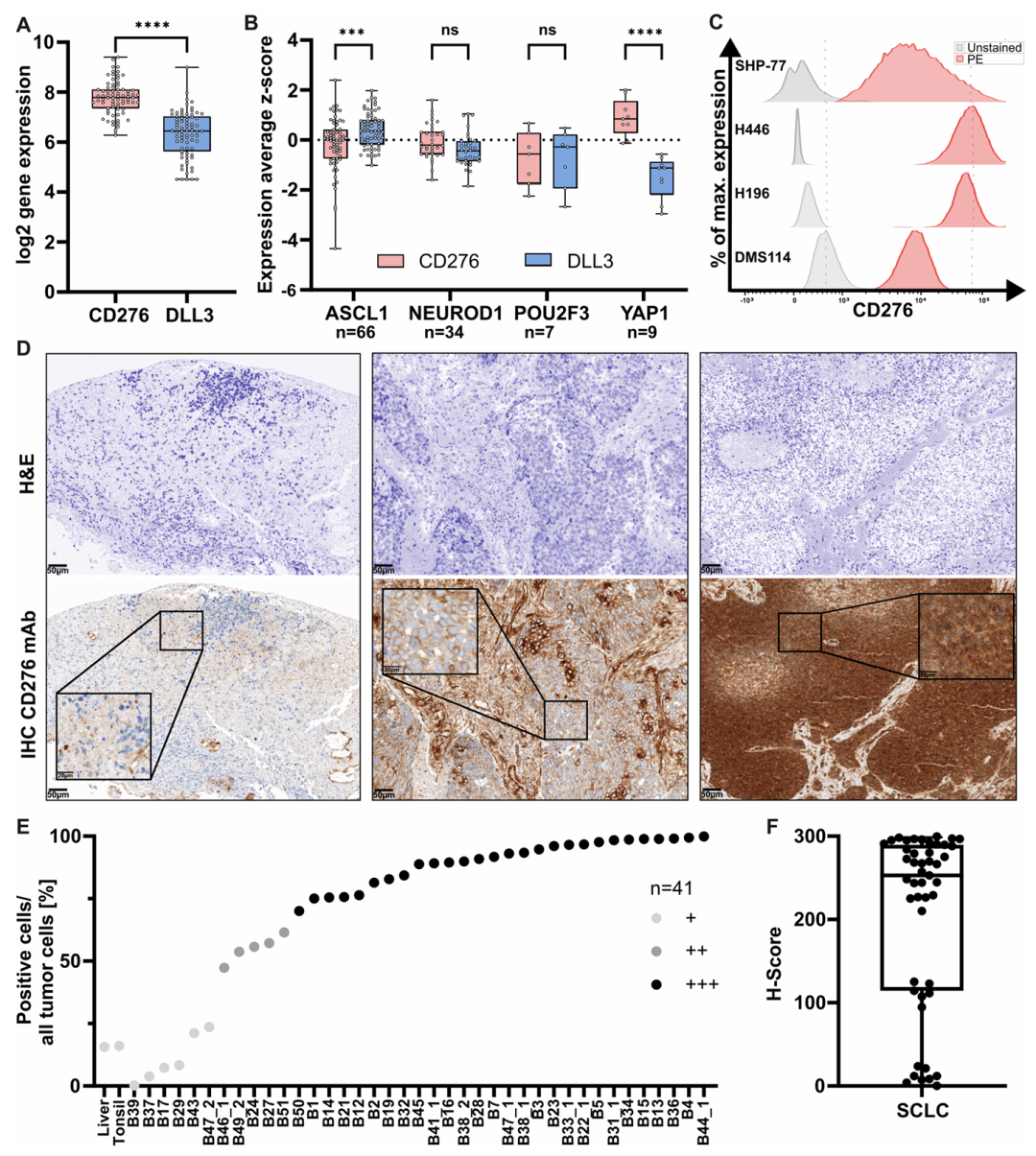
Figure 1 | CD276 expression in SCLC: RNA-seq analysis of 79 primary tumors shows CD276 significantly higher than DLL3 across all four SCLC subtypes (SCLC-A/N/P/Y); TMA IHC confirms 71.8% of patient samples exhibit high CD276 (H-score quantification).
III. The Fratricide Problem: CAR Signaling Upregulates CD276 on CAR-T Cells
When constructing a conventional direct anti-CD276 CAR-T (dCAR-T), the researchers observed a critical self-limiting phenomenon:
· dCAR-T cells showed significantly lower expansion over 6 days in vitro compared with untransduced T cells or AdCAR-T cells.
· 15-20% of activated AdCAR-T cells expressed CD276, predominantly in the CD4+ subset.
· Repeat stimulation experiments confirmed that CAR signaling itself re-upregulates CD276, creating a self-perpetuating fratricide loop.
· Treatment with anti-CD276 Fab or full-length mAb increased dead cell proportions and activation markers in CAR-T cultures, directly demonstrating the fratricide mechanism.
This evidence established that any strategy employing direct CD276 recognition by the CAR construct will inherently limit T cell expansion and therapeutic durability.
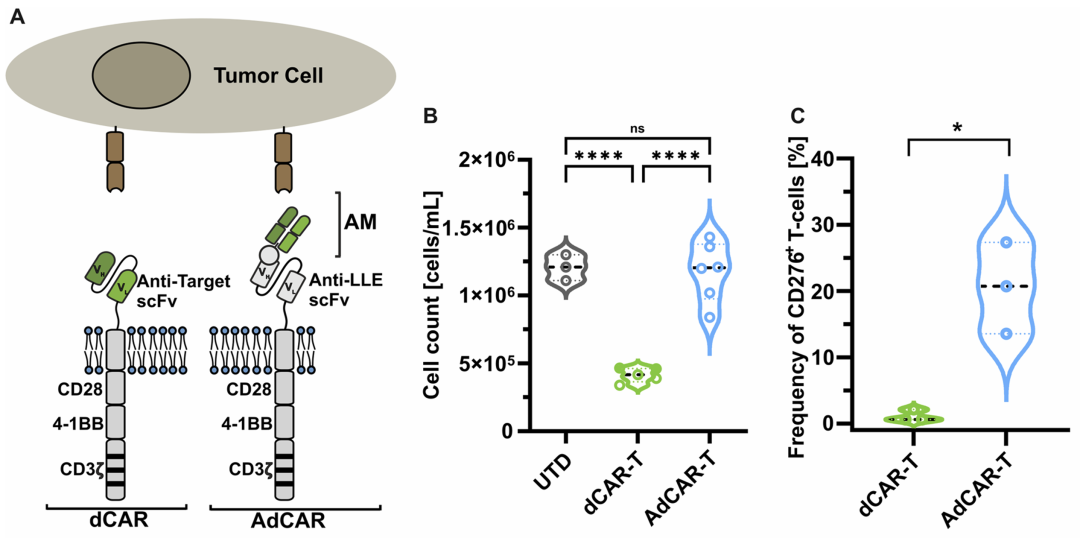
Figure 2 | The fratricide mechanism: dCAR-T cells show limited expansion in vitro; 15-20% of activated T cells upregulate CD276 (predominantly CD4+); anti-CD276 treatment triggers cell death and activation markers, confirming auto-killing.
IV. The AdCAR-T Solution: A Modular Two-Component Architecture
The AdCAR-T platform was designed to physically separate the antigen-recognition function from the CAR-T cell itself, using a two-component modular system:
4.1 Artificial Linker-Label Epitope (LLE) Design
The CAR scFv in AdCAR-T does not recognize tumor antigens directly. Instead, it recognizes an artificial linker-label epitope (LLE) tag—typically a biotin or small peptide motif. This design ensures that AdCAR-T cells cannot engage CD276 on other T cells during expansion, completely eliminating fratricide during manufacturing.
4.2 Fab Adaptor Molecule (AM) as a Tumor-Targeting Bridge
A bispecific Fab adaptor molecule (AM) serves as the bridge between AdCAR-T cells and tumor cells. One end carries the LLE tag (recognized by the AdCAR), while the other end presents a tumor-targeting Fab fragment (in this case, anti-CD276). Key operational advantages include:
· Ex vivo expansion without AM: no tumor antigen stimulation occurs; AdCAR-T cells remain quiescent, yielding higher cell numbers with a 'younger' memory phenotype (T central memory / T stem cell memory).
· In vivo activation with AM: injection of AM assembles the AdCAR-T + AM complex on the tumor surface, triggering highly specific cytotoxic killing.
· Rapid AM clearance after dosing: the small Fab fragment is cleared quickly, providing an 'on/off' kill switch that reduces tonic signaling and exhaustion risk.
· Multi-target flexibility: swapping the Fab end of AM enables immediate retargeting to a different antigen (e.g., after antigen escape) without reformulating the CAR-T product—a critical advantage for managing tumor heterogeneity.
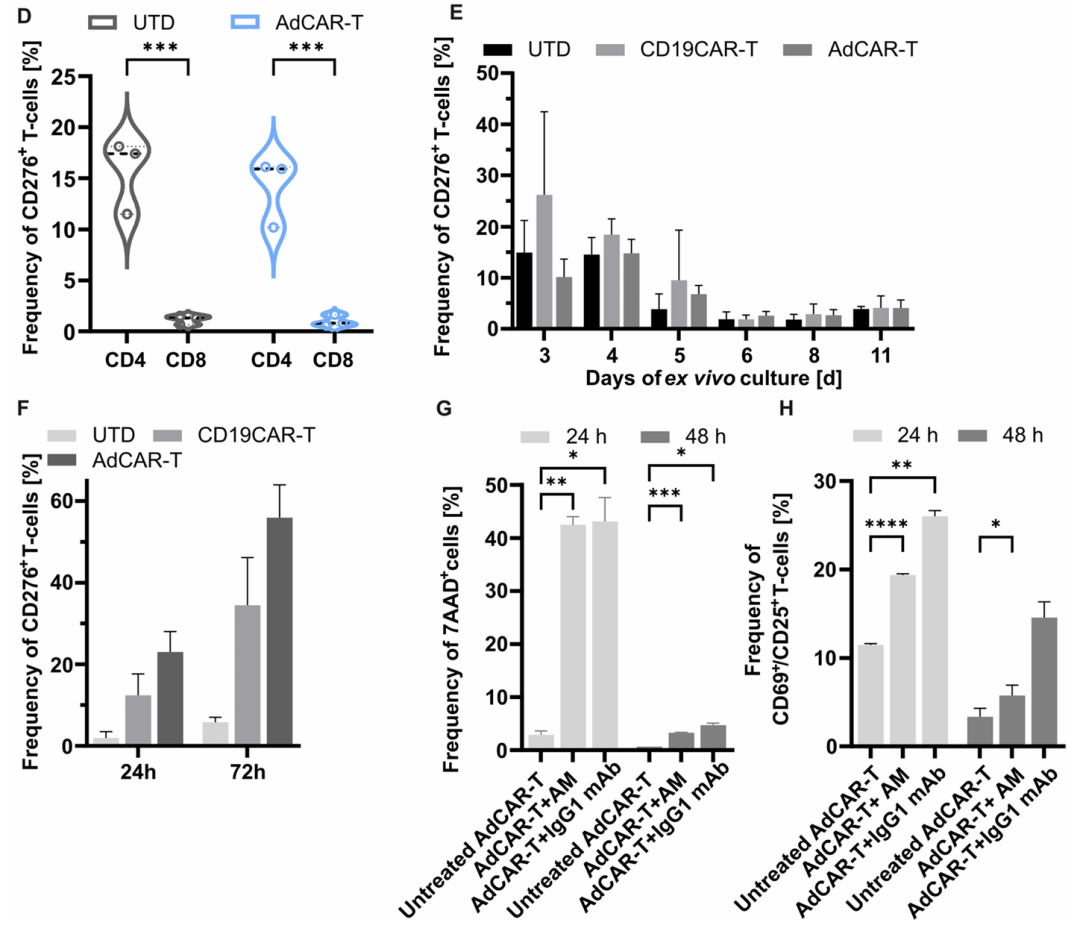
Figure 3 | Schematic of the AdCAR-T + AM platform: LLE-based CAR architecture decouples tumor recognition from T cell manufacturing; Fab-AM bridges AdCAR-T to CD276+ tumor cells; rapid AM clearance enables on/off control of cytotoxic activity.
Vitrobiotech's SHP-77-luc stable cell line enables reliable bioluminescence-based monitoring of SCLC tumor burden in NSG mice.
Explore Now: SHP-77 Cell Line | SHP-77 Luciferase Cell Line
V. Discovery and Optimization of High-Affinity Fab Adaptor Molecules
To identify optimal anti-CD276 Fab-AMs, the researchers conducted a systematic antibody discovery campaign:
· Phage display: A human scFv phage library was screened against recombinant CD276, followed by affinity maturation to produce five lead Fab-AMs: AM14, AM19, AM24, AM34, and AM46.
· Potency profiling in SHP-77: In the SHP-77 SCLC cell line, all five AM candidates demonstrated EC50 values of 27-41 pM—a subnanomolar potency range consistent with clinical-grade bispecific antibodies.
· Durability testing: AM46 produced superior and durable killing of SHP-77 cells across three consecutive re-challenge experiments over 192 hours, confirming its ability to sustain AdCAR-T effector function without exhaustion.
· Pan-cell-line efficacy: AM46 was effective against multiple SCLC and solid tumor lines (RH30, IMR-32, DMS114), without abnormal cytokine elevation, suggesting a favorable therapeutic window.
AM46 emerged as the lead candidate for in vivo testing, combining exceptional affinity, manufacturability, and functional durability.
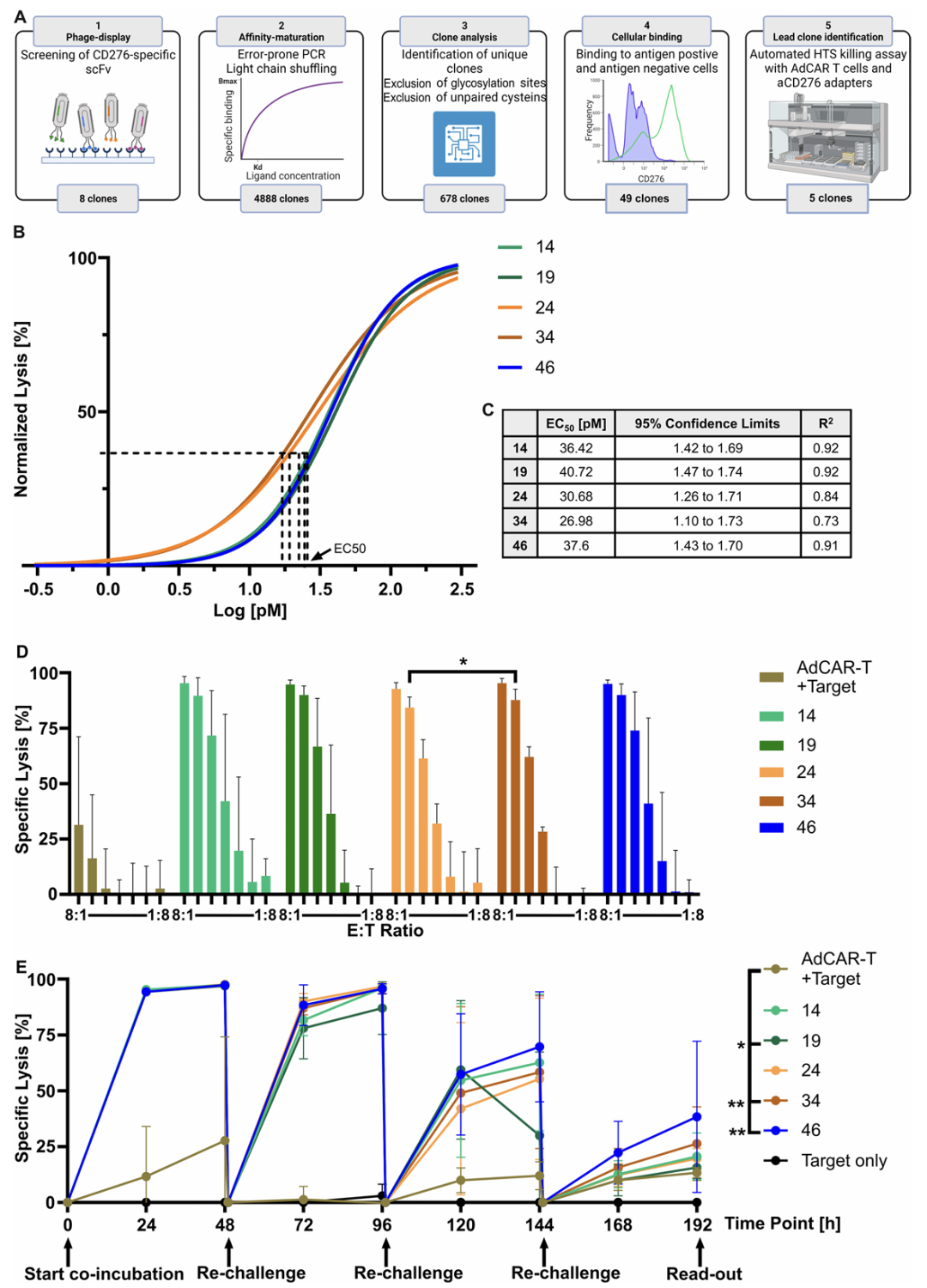
Figure 4 | Identification of high-affinity CD276 Fab-AMs: phage display and affinity maturation yield five leads (AM14/19/24/34/46) with EC50 27-41 pM in SHP-77; AM46 sustains durable killing over 3 re-challenges (192 h).
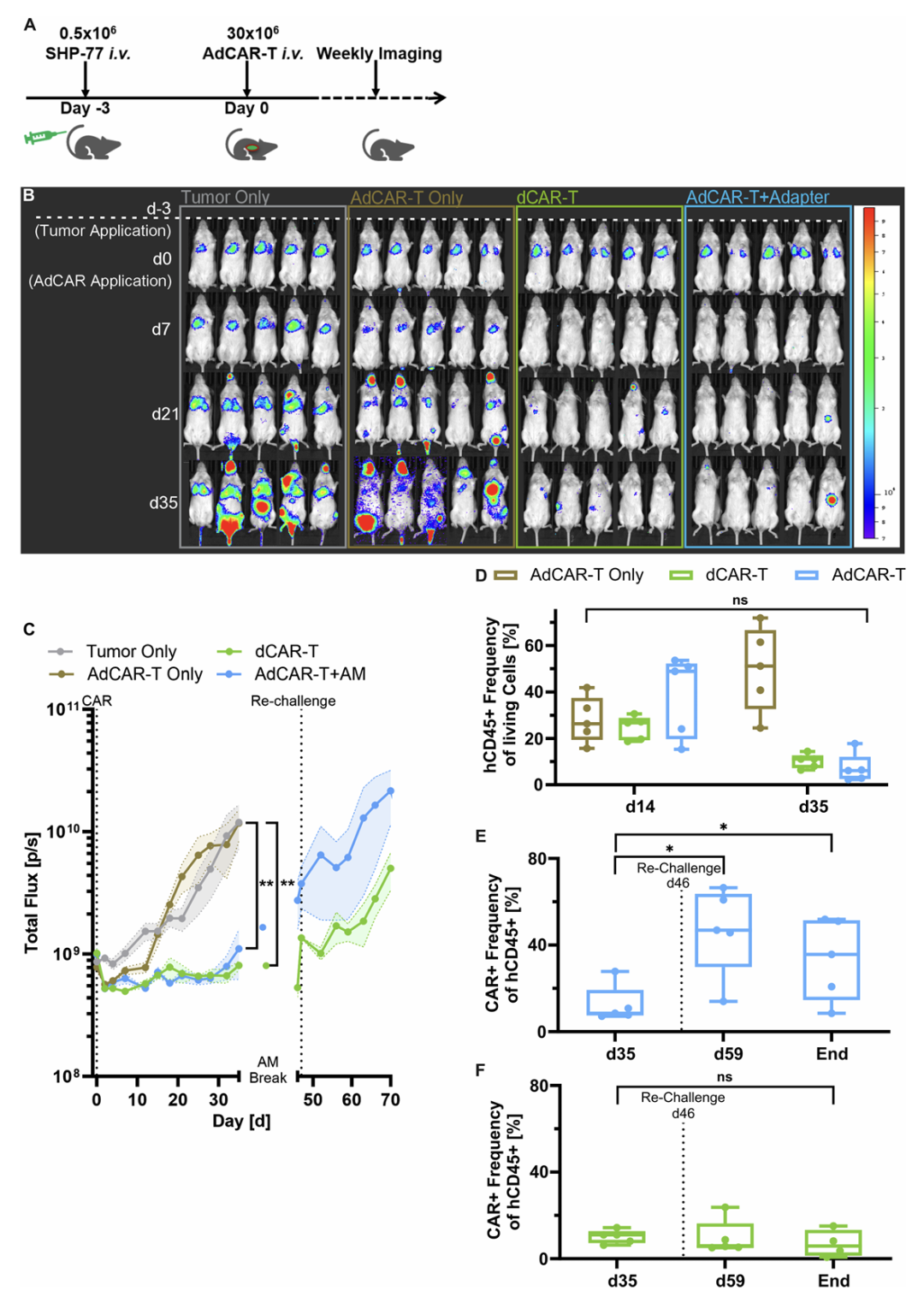
Figure 5 | Functional characterization of Fab-AM candidates in SHP-77 and multiple solid tumor cell lines, demonstrating pan-efficacy and absence of cytokine storm risk.
VI. In Vivo Validation: SHP-77-luc NSG Xenograft Model
The SHP-77-luc SCLC cell line—stably expressing firefly luciferase—was employed in NSG immunodeficient mice via tail vein injection to generate a systemic SCLC xenograft model. Bioluminescence imaging (BLI) enabled non-invasive, longitudinal tumor burden monitoring throughout the treatment course.
6.1 Comparison of dCAR-T vs. AdCAR-T + AM46
In the SHP-77-luc NSG model, treatment outcomes diverged sharply between the two approaches:
· dCAR-T (direct anti-CD276): Initially reduced tumor burden, but tumors rapidly relapsed in all treated mice—consistent with fratricide-mediated CAR-T attrition and functional exhaustion.
· AdCAR-T alone (without AM46): No significant antitumor effect, confirming that AdCAR-T requires the adaptor molecule to engage tumor targets.
· AdCAR-T + AM46: Robustly suppressed SHP-77-luc tumor bioluminescence and significantly extended mouse survival. The benefit was strictly AM46-dependent, demonstrating precision 'switch-on' control.
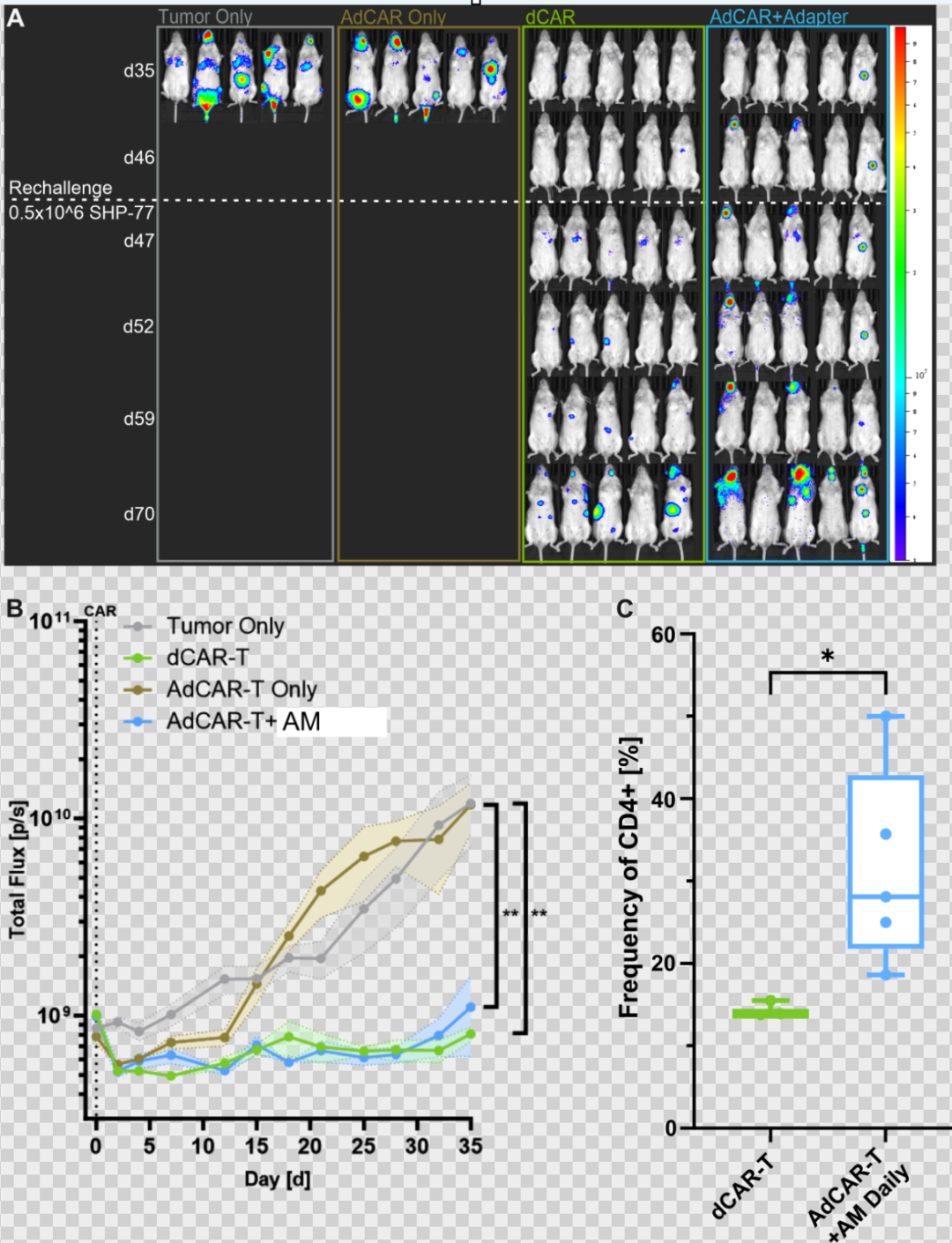
Figure 6 | In vivo efficacy in SHP-77-luc NSG xenograft model: dCAR-T shows initial response followed by rapid relapse; AdCAR-T + AM46 significantly suppresses bioluminescent tumor burden and extends survival (BLI monitoring).
6.2 AdCAR-T Persistence and Re-activation
A defining feature of the AdCAR-T system is its ability to maintain functional memory T cells between AM dosing cycles:
· Early expansion: AdCAR-T cells expanded rapidly in the presence of AM46, accumulating at tumor sites.
· Post-withdrawal persistence: After AM46 was discontinued, AdCAR-T cells entered a resting state but remained detectable in vivo.
· Re-activation upon tumor re-challenge: When mice received a second tumor challenge and AM46 was re-administered, resting AdCAR-T cells were rapidly re-activated and cleared the recurrent tumor—demonstrating durable immunological memory.
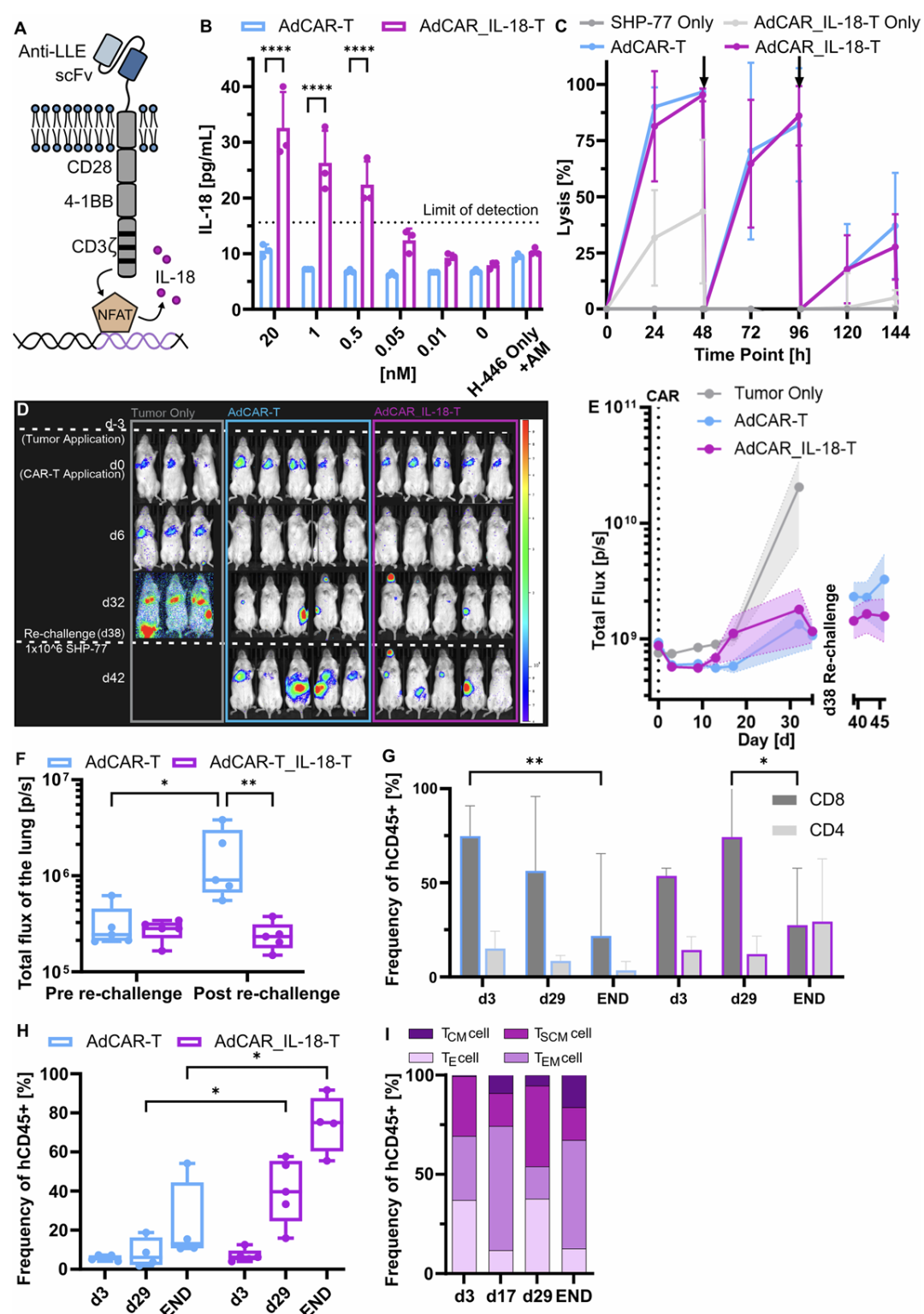
Figure 7 | AdCAR-T persistence and memory recall in SHP-77-luc model: AM46-dependent early expansion, resting phase after AM withdrawal, and successful re-activation against secondary tumor challenge.
VII. Further Enhancement: IL-18-Armored AdCAR-T
To amplify the antitumor immune response in the immunosuppressive SCLC tumor microenvironment (TME), the researchers engineered an IL-18-secreting armored AdCAR-T variant. IL-18 is a pro-inflammatory cytokine that augments natural killer (NK) cell and CD8+ T cell function, and promotes a Th1-skewed immune response.
In the SHP-77-luc NSG model, IL-18-armored AdCAR-T + AM46 demonstrated enhanced tumor control compared to unarmored AdCAR-T + AM46, with greater suppression of bioluminescence and improved survival metrics. The armored construct also showed higher levels of effector cytokine secretion (IFN-gamma, TNF-alpha) at tumor sites, supporting a more robust immune activation profile.
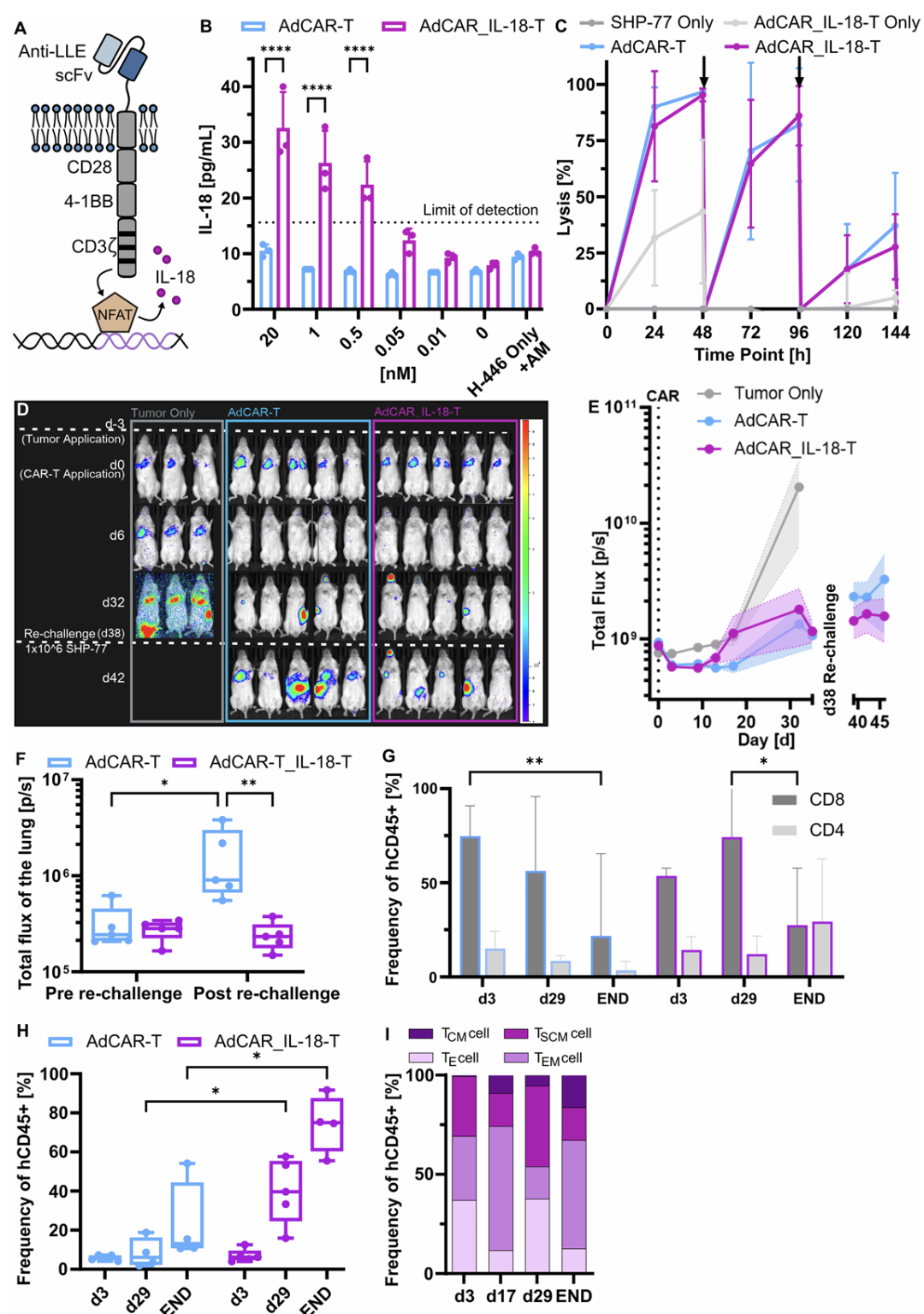
Figure 8 | IL-18-armored AdCAR-T + AM46 in SHP-77-luc NSG model: enhanced bioluminescence suppression and superior survival compared to unarmored AdCAR-T + AM46; elevated effector cytokine levels at tumor sites.
VIII. Integrated Mechanism: From Fratricide Elimination to 'Remote-Controlled' Killing
The AdCAR-T + AM46 strategy achieves its therapeutic superiority through a hierarchical mechanism:
· Manufacturing phase: Absence of AM prevents CAR engagement with CD276 on T cells; no fratricide occurs; AdCAR-T cells expand efficiently with a memory-biased phenotype (T_CM/T_SCM enrichment).
· In vivo activation phase: AM46 injection assembles the ternary complex (AdCAR-T + AM46 + CD276+ tumor cell), triggering cytotoxic lysis.
· AM clearance phase: Rapid Fab clearance extinguishes tonic activation, preventing exhaustion and preserving T cell longevity.
· Dosing flexibility: Intermittent or continuous AM dosing schedules (e.g., 4 days on / 3 days off) can be tailored to tumor burden, enabling personalized 'remote control' of killing intensity.
· Antigen switching: Exchanging the Fab moiety of AM enables sequential targeting of escape variants without manufacturing a new CAR-T product.
Looking to build a bioluminescent SCLC tumor model for CAR-T or checkpoint immunotherapy studies? Vitrobiotech's SHP-77-luc cell line provides real-time, non-invasive BLI tumor monitoring in NSG mouse models.
Explore Now: SHP-77 Cell Line | SHP-77 Luciferase Cell Line
