
Targeting PRELID3B with Ginsenoside CK and CKD-4: A New Frontier in Lung Cancer Therapy Enabled by NCI-H460 Models
I. Introduction
Ginseng has long been treasured in Asian traditional medicine, and its active metabolite ginsenoside Compound K (CK) has attracted broad attention for its anti-proliferative, anti-angiogenic, and anti-metastatic activities. Despite these promising profiles, the precise molecular targets of CK remained poorly defined, and its low membrane permeability hampered clinical translation.
By combining synthetic chemistry with two orthogonal chemical proteomics platforms, the researchers identified the mitochondrial phospholipid transporter PRELID3B as the shared direct target of CK and its newly synthesized derivative CKD-4. The NCI-H460 large-cell lung carcinoma cell line served as a cornerstone model throughout—from initial IC₅₀ determination to CDX xenograft efficacy validation.
II. NCI-H460 in the Cytotoxicity Screen: Establishing the Activity Baseline
To profile CK's intrinsic cytotoxicity and guide derivative design, the researchers screened CK and five synthetic analogues against a panel of four NSCLC cell lines, including NCI-H1299, NCI-H460, A549, and NCI-H1650. NCI-H460, representing aggressive large-cell lung carcinoma, was selected as the primary model because of its robust growth kinetics and well-characterized sensitivity to diverse chemotypes.
Among all derivatives, CKD-4—bearing a cyclic acetal modification to protect key hydroxyl groups and enhance lipophilicity—displayed the most potent activity in NCI-H460 cells: its IC₅₀ was approximately 3-fold lower than that of parental CK, while cellular uptake was 1.8-fold higher. Crucially, intracellular hydrolysis of CKD-4 back to CK was minimal, confirming that CKD-4 itself is the primary active entity rather than a prodrug.
Reliable NCI-H460 lung cancer cells are available at Vitrobiotech for preclinical anticancer research.
Order Now: NCI-H460 Cell Line | NCI-H460 Luciferase Cell Line | NCI-H460-Luc-GFP Cell Line
III. Broad Anticancer Properties of CKD-4 Versus CK
Beyond cytotoxicity, CKD-4 demonstrated a comprehensive anticancer profile that exceeded CK at equimolar concentrations:
· Tumorsphere formation: CKD-4 significantly reduced 3D sphere formation in NCI-H460 and A549 cells, indicative of impaired cancer stem-cell self-renewal.
· Migration and invasion: wound-healing and Transwell assays showed that CKD-4 suppressed motility and invasiveness more effectively than CK.
· Angiogenesis: tube formation in HUVECs was disrupted at lower CKD-4 concentrations compared to CK.
· Patient-derived organoids (PDO): both CK and CKD-4 produced dose-dependent viability inhibition in PDO models derived from NSCLC patients, with CKD-4 effective at lower concentrations.
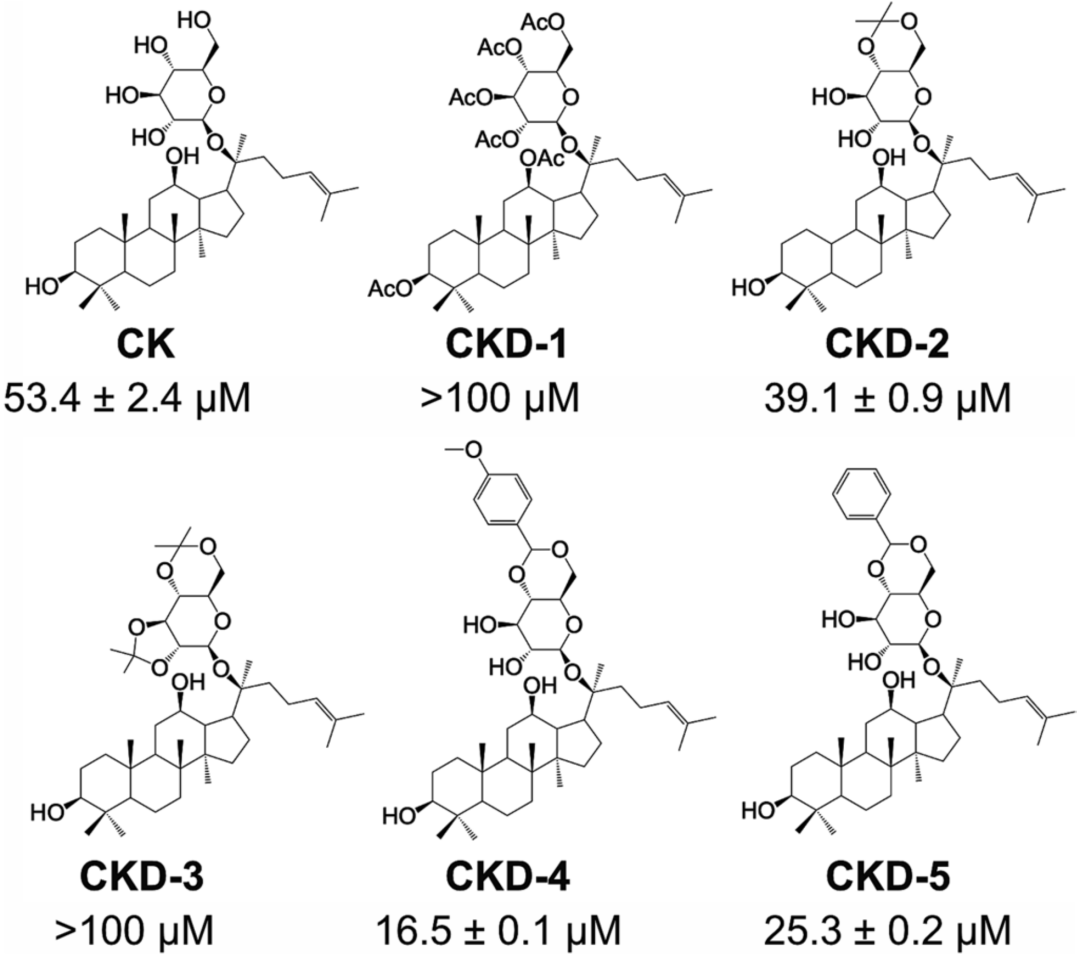
Figure 1 | Anticancer properties of CK and CKD-4 including tumorsphere formation, migration, invasion, and angiogenesis assays, as well as PDO viability. (He J et al., PNAS, 2026)
IV. Transcriptomic Convergence: CK and CKD-4 Trigger Similar Cellular Stress Responses
RNA-sequencing of NCI-H460 cells treated with CK or CKD-4 revealed highly overlapping differential gene expression profiles. Both compounds co-upregulated pathways associated with:
· Type I interferon (IFN-I) and antiviral responses
· p53 tumor suppressor pathway
· Mitochondrial and endoplasmic reticulum stress-driven apoptosis
Notably, both treatments robustly induced IFN-I-related genes and chemokines, activated IRF transcription factors, and promoted STAT1/STAT2 phosphorylation alongside upregulation of MHC-I surface expression—an 'intrinsic immunogenic' signature that presages anti-tumor immune responses in vivo.
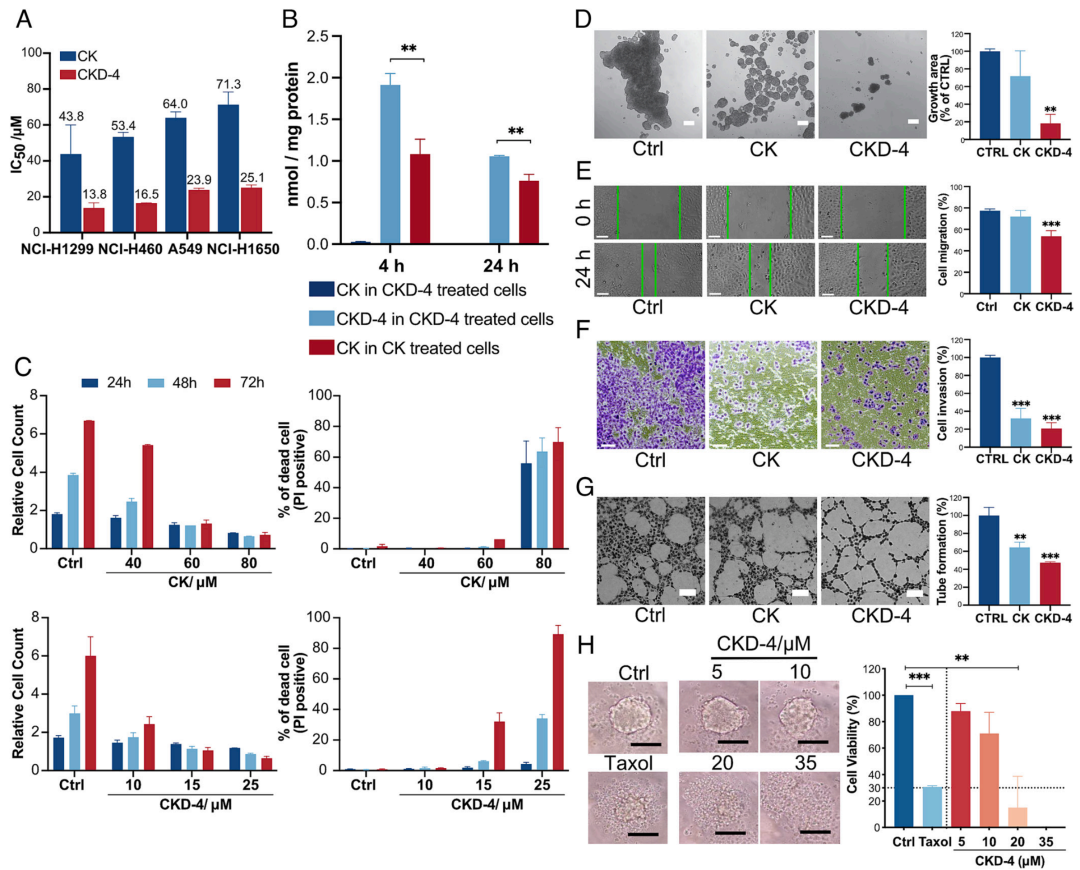
Figure 2 | RNA-seq analysis of CK/CKD-4 treatment showing convergent activation of IFN-I signaling, p53 pathway, and mitochondrial stress pathways in lung cancer cells. (He J et al., PNAS, 2026)
V. Orthogonal Chemical Proteomics Identifies PRELID3B as the Shared Direct Target
To pinpoint the direct molecular target of CK and CKD-4 in an unbiased manner, the researchers deployed two complementary chemical proteomics approaches:
5.1 ProTargetMiner Analysis
ProTargetMiner evaluates drug-induced changes in protein expression to predict binding targets. Both CK and CKD-4 generated highly similar proteomic signatures, and Gene Ontology (GO) analysis consistently highlighted mitochondria-related pathways. Across both compound analyses, PRELID3B was ranked as the top-scoring candidate target protein.
5.2 PISA (Proteome Integral Solubility Alteration) Assay
PISA measures thermal stability shifts across the proteome to identify proteins that directly bind a compound. After CK or CKD-4 treatment of NCI-H460 cells, PRELID3B showed a significant increase in thermal stability—a hallmark of direct drug–protein interaction—in both experiments.
PRELID3B is a mitochondrial intermembrane space protein responsible for transferring phosphatidylserine (PS) to the inner mitochondrial membrane for conversion to phosphatidylethanolamine (PE)—a lipid essential for mitochondrial membrane integrity and dynamics.
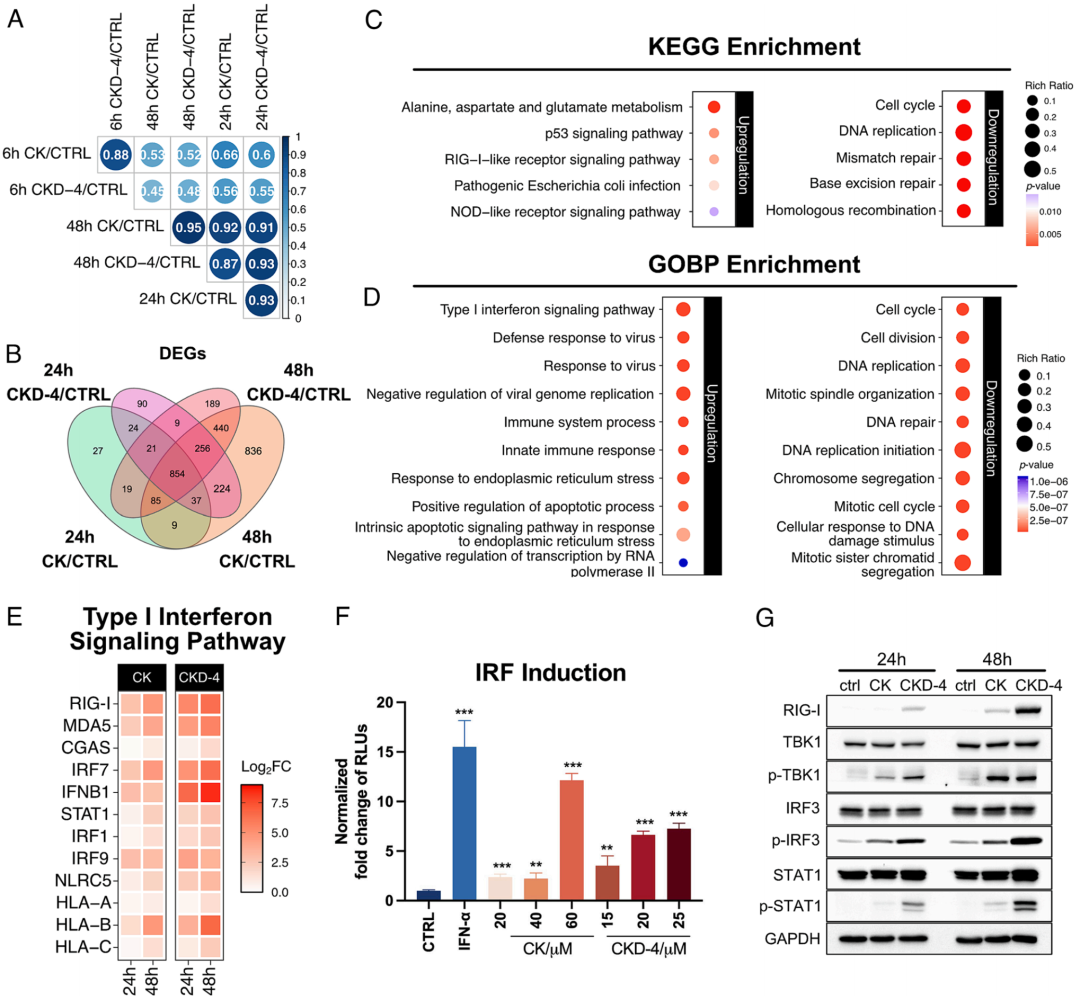
Figure 3 | Orthogonal proteomics combining PISA and ProTargetMiner identifies PRELID3B as the top candidate target of CK and CKD-4 in lung cancer cells. (He J et al., PNAS, 2026)
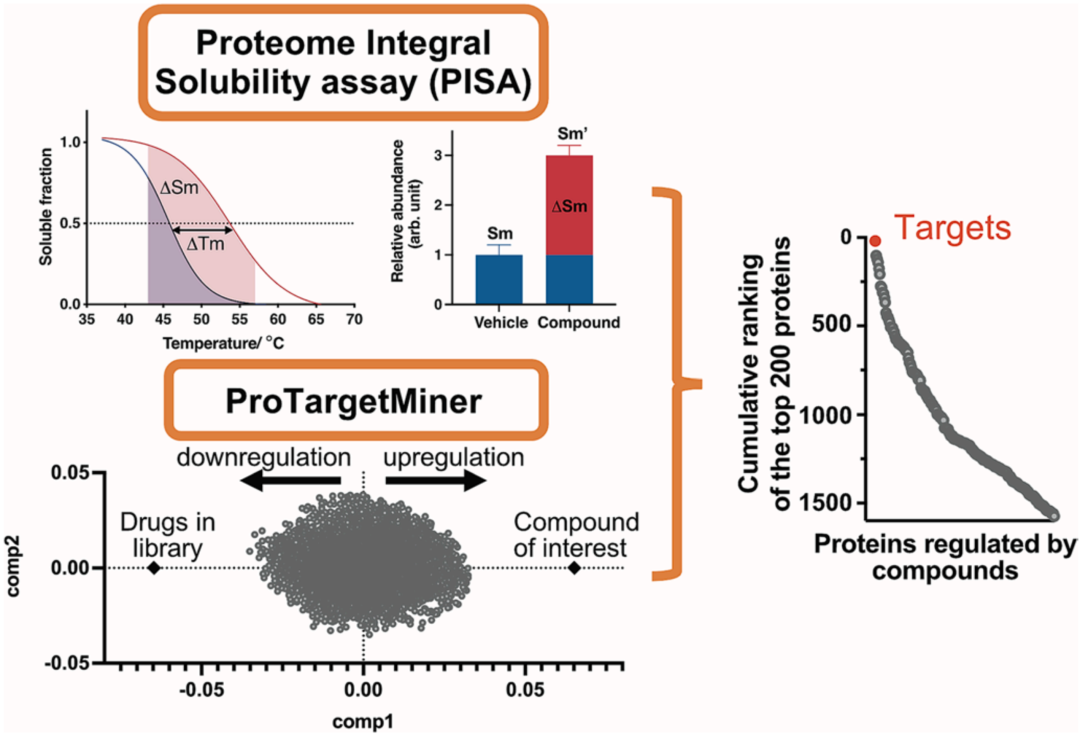
Figure 4 | Target identification results from PISA and ProTargetMiner. PRELID3B ranks first in both orthogonal methods for CK and CKD-4. (He J et al., PNAS, 2026)
VI. PRELID3B Validation: Bioinformatics, Binding Confirmation, and Functional Rescue
Database mining revealed that PRELID3B is overexpressed across multiple tumor types and correlates with poor prognosis—positioning it as a pan-cancer therapeutic vulnerability. Single-cell transcriptomic analysis of NSCLC samples confirmed high PRELID3B expression in malignant cells and in key immune populations, particularly activated macrophages in lung adenocarcinoma (LUAD) and plasma cells.
Physical binding was confirmed by CETSA (Cellular Thermal Shift Assay) and Bio-Layer Interferometry (BLI), yielding dissociation constants (Kd) of 23.0 μM for CK and 5.3 μM for CKD-4 against the PRELID3B–TRIAP1 complex. Molecular docking revealed that CKD-4's additional hydrophobic group engages a deeper binding pocket, explaining its superior affinity.
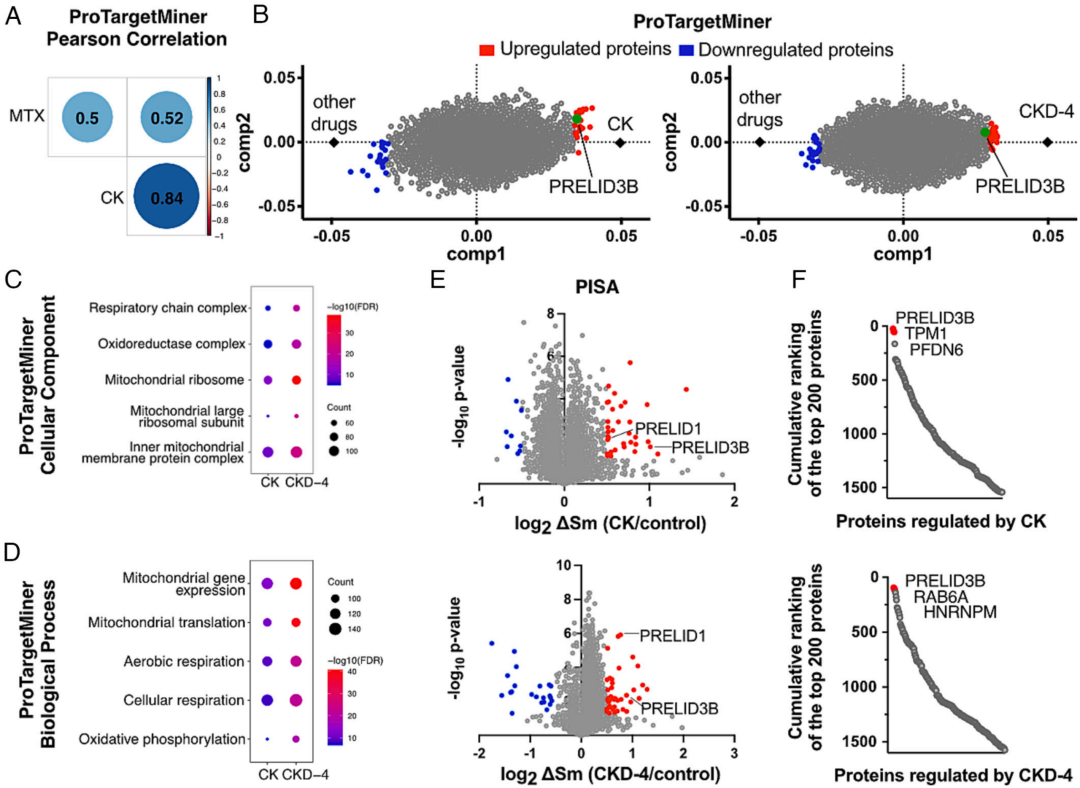
Figure 5 | PRELID3B as a potential anticancer target: expression analysis, CETSA, BLI binding assays, and molecular docking of CK and CKD-4. (He J et al., PNAS, 2026)
VII. Mechanism of Action: Mitochondrial Phospholipid Depletion and Stress Cascades
Silencing of PRELID3B in NCI-H460 cells replicated the key phenotypes induced by CK/CKD-4: downregulation of OPA1 (a GTPase required for inner-membrane fusion), mitochondrial fragmentation, and reduced cell viability. PRELID3B overexpression partially rescued cell viability against drug treatment, confirming on-target action.
At the lipidomic level, CK/CKD-4 treatment reduced mitochondrial PS and PE levels by ~40%. Exogenous PS supplementation partially restored viability and OPA1 expression, validating the causal link between phospholipid disruption and cell death. Additionally, the drugs impaired oxidative phosphorylation, triggered cytochrome c release, and selectively activated the Integrated Stress Response (ISR) pathway—effects that were rescued by the ISR inhibitor ISRIB.
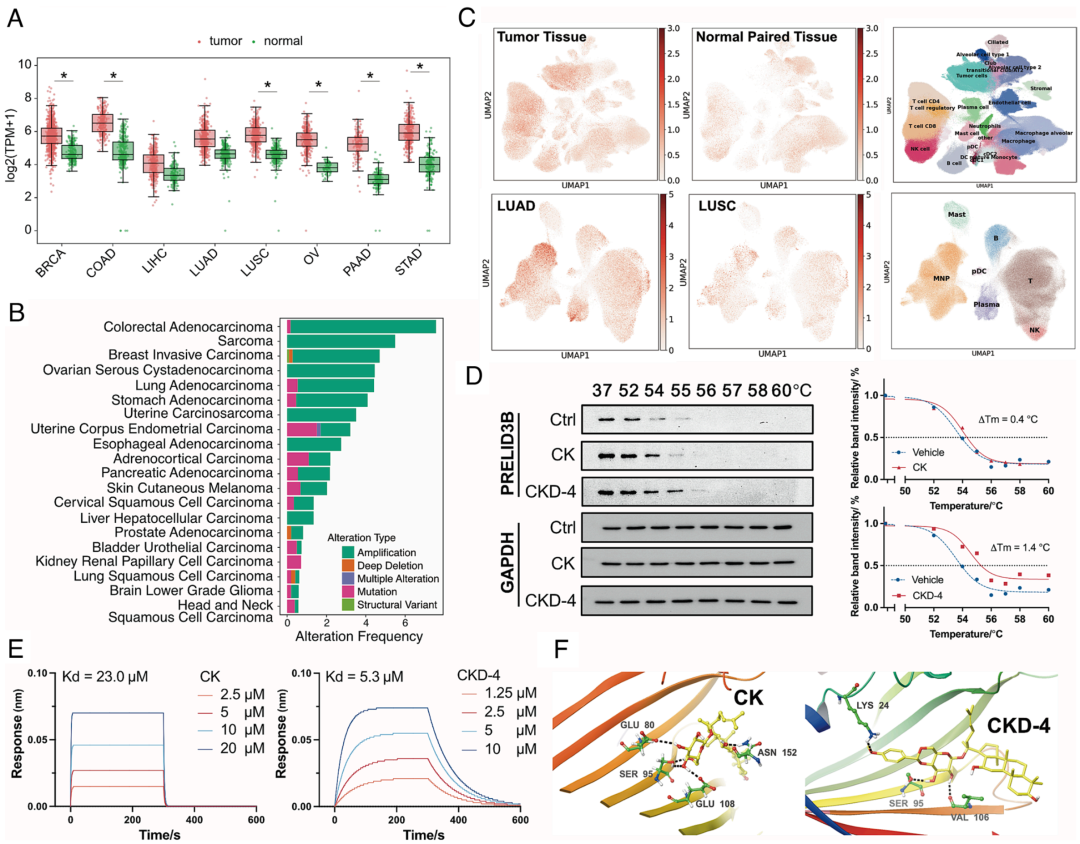
Figure 6 | CK/CKD-4-induced mitochondrial perturbations: PRELID3B knockdown phenocopy, phospholipid lipidomics, OPA1 regulation, and ISR pathway activation. (He J et al., PNAS, 2026)
VIII. In Vivo Efficacy: NCI-H460 CDX Model and Syngeneic Immunocompetent Models
Pharmacokinetic profiling revealed that CKD-4 achieves a peak plasma concentration (Cₘₐₓ) of 32 μM with a half-life of 12 hours, and preferentially accumulates in tumor tissue—favorable properties for solid tumor treatment.
8.1 NCI-H460 CDX Xenograft Model
In mice bearing NCI-H460 cell-derived xenografts (CDX), CKD-4 treatment reduced tumor weight by 73% compared to vehicle controls, with no observable toxicity. At an equivalent dose, parental CK produced no significant tumor inhibition and was associated with hepatotoxicity—underscoring the therapeutic superiority and improved safety of the derivative.
8.2 Orthotopic Syngeneic Immunocompetent Model
In orthotopic lung cancer models in immunocompetent mice, both CK and CKD-4 significantly suppressed tumor growth. Immune profiling of the tumor microenvironment showed:
· Increased infiltration of cytotoxic CD8⁺ T cells and CD4⁺ helper T cells
· Reduction of immunosuppressive regulatory T cells (Tregs) and exhausted T cells
· Upregulation of MHC-I on tumor cells, enhancing antigen presentation
This 'inside-out' immunogenic activation pattern—driven by PRELID3B inhibition and IFN-I signaling—suggests CK/CKD-4 can convert immunologically 'cold' tumors into 'hot' tumors amenable to immune checkpoint blockade combination strategies.
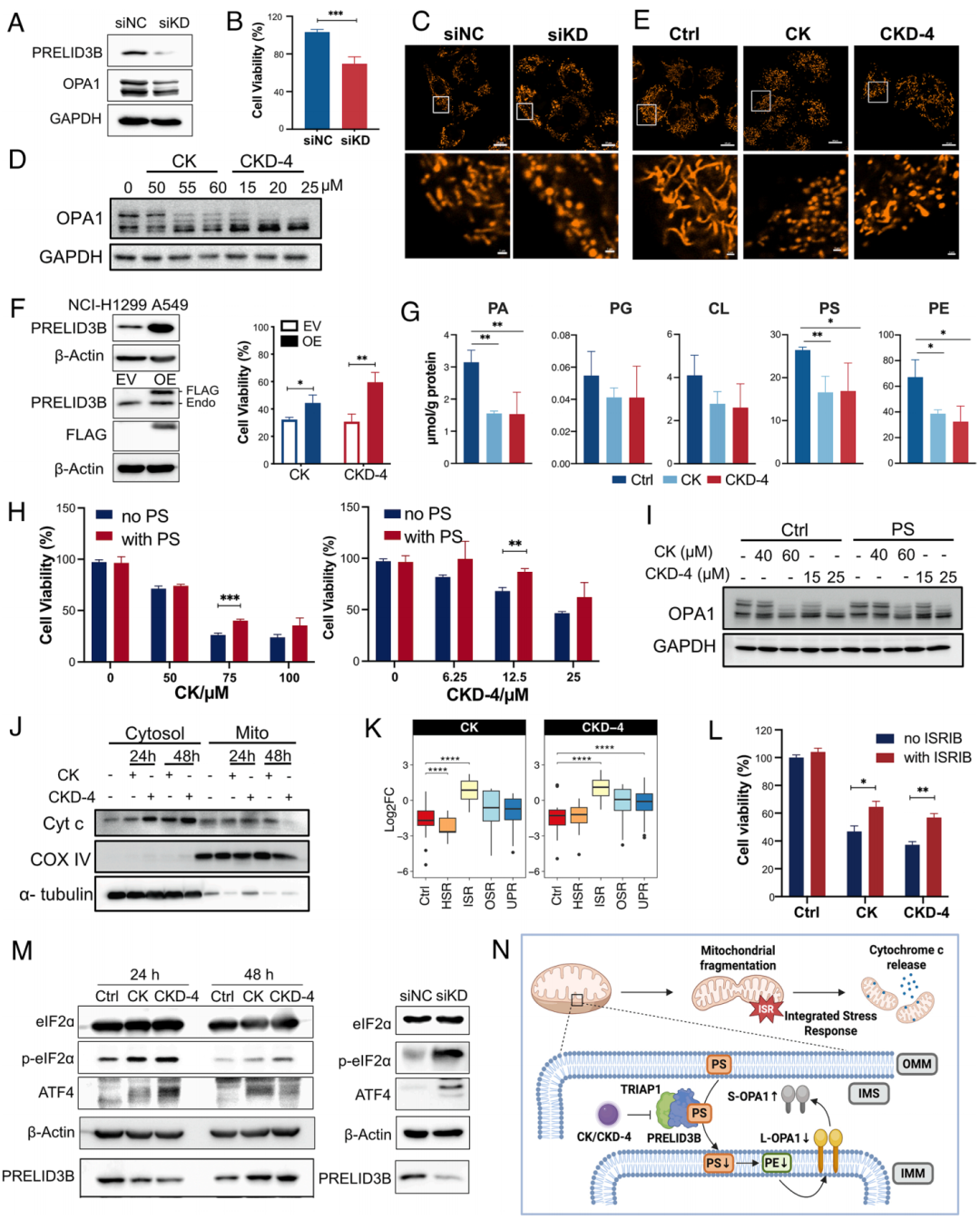
Figure 7 | Antitumor properties of CK/CKD-4 in NCI-H460 CDX xenograft and syngeneic models, including tumor weight reduction (73%), pharmacokinetics, and immune microenvironment profiling. (He J et al., PNAS, 2026)
IX. Integrated Mechanism and Therapeutic Implications
The overall anti-tumor mechanism of CK and CKD-4 unfolds through a hierarchical cascade originating from PRELID3B inhibition:
· PRELID3B binding → impaired PS→PE transport → mitochondrial phospholipid depletion
· Mitochondrial dysfunction → OPA1 downregulation, fragmentation, cytochrome c release → intrinsic apoptosis
· ISR and p53 pathway activation → cell cycle arrest and programmed death
· IFN-I innate immune signaling → MHC-I upregulation → adaptive immune activation
Because PRELID3B is overexpressed in numerous tumor types with poor prognosis, these findings nominate it as a pan-cancer vulnerability. CKD-4 represents the first PRELID3B-targeting natural-product derivative with validated in vivo efficacy and a defined mechanistic rationale.
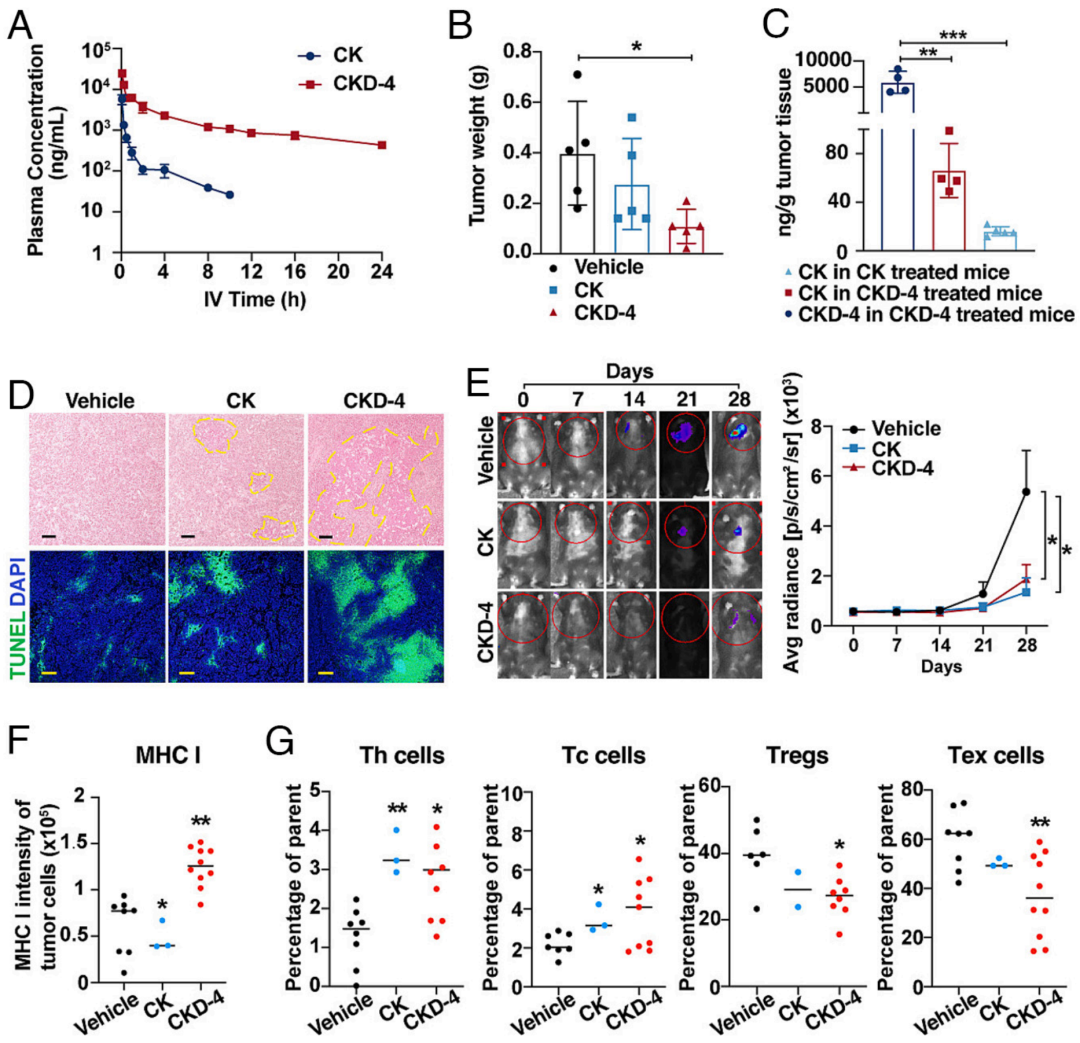
Figure 8 | Schematic of the anticancer mechanism of CK and CKD-4 via targeting PRELID3B: mitochondrial phospholipid disruption, ISR activation, and 'inside-out' immune stimulation. (He J et al., PNAS, 2026)
Vitrobiotech offers human NCI-H460 large-cell lung carcinoma cell lines for in vitro mechanistic studies and in vivo CDX model construction.
Order Now: NCI-H460 Cell Line | NCI-H460 Luciferase Cell Line | NCI-H460-Luc-GFP Cell Line
References
He J, Lok C-N, Yang G, et al. A ginsenoside metabolite and its derivative target PRELID3B against lung cancer cells. Proc Natl Acad Sci USA, 2026. https://doi.org/10.1073/pnas.2533505123
